Europe

The Cliffs of Moher, Ireland

Limerick, Ireland and the Cliffs of Moher

‘There Was a Young Maid from Nantucket’

Every schoolboy throughout the English speaking world knows a naughty Limerick, that five line bit of doggerel that has entertained folks since the first ones were penned by the poets of Croom, County Limerick, Ireland back in the 1700s.  Since then, ‘poets’ from Lewis Carroll to Ogden Nash to Mark Twain have tried their hand at putting together a witty verse that will flow off the tongue as only an Irish lyric can.  As a lifelong student of the written word, I was thrilled to be heading to another important landmark on the trail featuring the history of Irish literature.  I took the two hour train ride from Galway to Limerick by way of Ennis for the equivalent of $14, arriving around noon on a Friday.  There was a lot to see in the city of Limerick, but my first objective was to catch the bus out to the Cliffs of Moher.

The Cliffs of Moher, Ireland

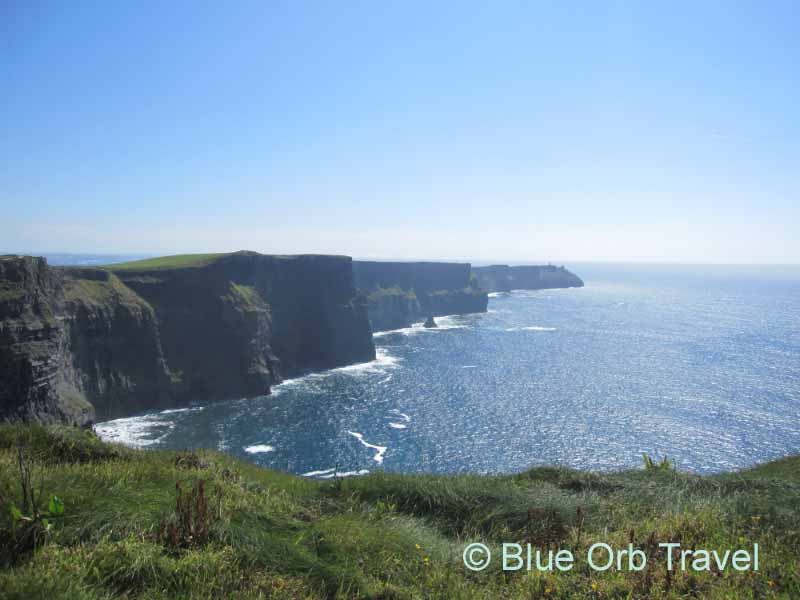
The Cliffs of Moher

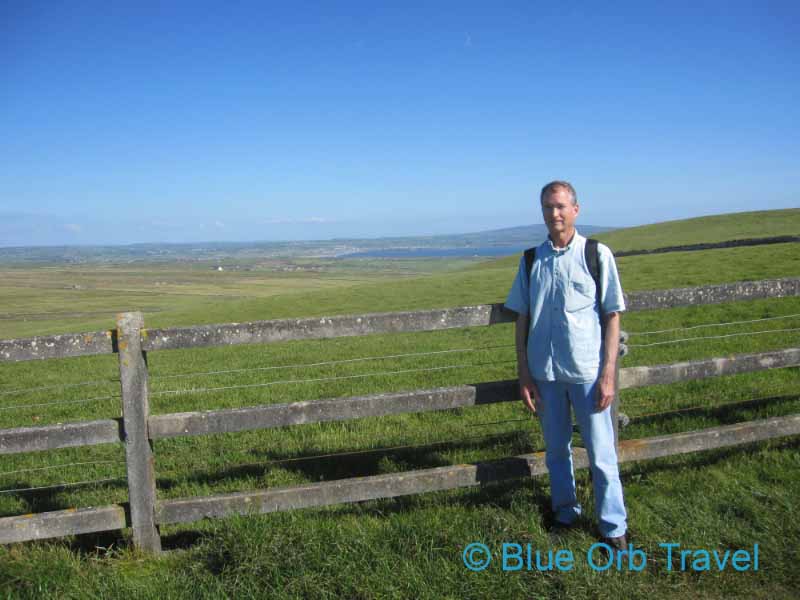
One of the most popular tourist destinations in all of Ireland, the Cliffs of Moher rise 702 feet above the rugged Atlantic Coast in County Clare.  From this vantage point you can see all the way to the Aran Islands, Galway Bay and Connemara and you can also get a glimpse of some of the twenty species of sea birds that nest on the cliffs.  These spectacular shale and sandstone cliffs are named after the old fort ‘Mothar’ that was destroyed during the Napoleonic Wars.  Built in 1835, O’Brien’s Tower is now the highest point in the park and affords visitors a stunning view of the cliffs and surrounding area.  Built into the side of a hill and opened in 2007, the visitor center is well worth the $8.50 entrance fee.  The cliffs are about a one and a half hour bus or car ride from either Galway or Limerick.  While I took the round trip bus ride from Limerick costing $32, it might make more sense for travelers with a rental car to go from Galway to the cliffs and then on to Limerick or vice versa.  Either way, you will not want to miss this impressive natural attraction that draws nearly one million visitors each year.
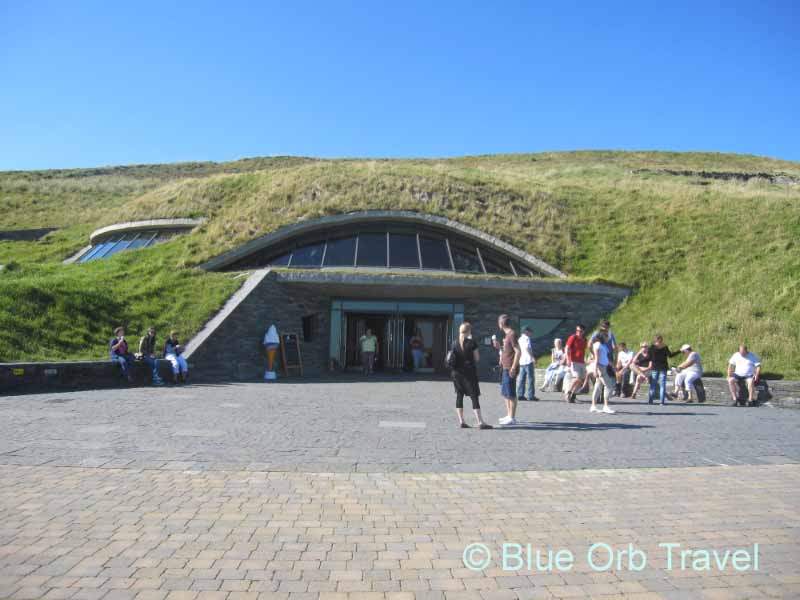
The Visitor Center at the Cliffs of Moher

Limerick

Originating as a Viking settlement in 812, Limerick straddles the River Shannon near the Atlantic coast of Ireland.  Although it is the third largest city in Ireland, it is fairly easy to walk to the main points of interest and along the way you will enjoy taking in the magnificent 18th century Georgian architecture that many of the buildings feature.  On my late afternoon tour I visited St. John’s Castle dating back to 1212 and St. Mary’s Cathedral dating back to 1168, making it one of the oldest cathedrals in Ireland.  The newer St. John’s Church boasts Ireland’s tallest spire at 308 feet.  The Treaty Stone commemorates the Treaty of Limerick signed after the second Siege of Limerick in 1691 which ended the war when the Jacobites surrendered to the Orangemen, supporters of King William III of Orange.  Nearby, the famous Milk Market has been in operation since 1852 and still features produce from local farmers and other tradesmen.  Enjoying the vibrant nightlife of Limerick will round out your tour and should include a visit to WJ South’s pub, well known in local literary circles.
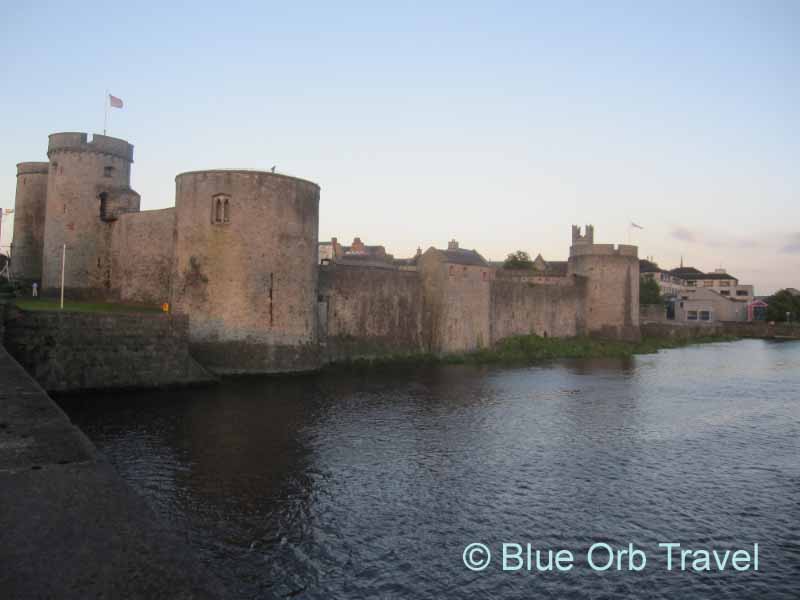
St. John's Castle, Limerick, Ireland
St. John’s Castle, Limerick, Ireland

The Railway Hotel

If you’re looking for a great place to stay right in the heart of Limerick, check out the Railway Hotel.  It’s just a few minutes walk from the train and bus stations and I was fortunate to get a room there shortly after arriving at the Limerick railway station (Colby Station).  This thirty room hotel was originally built in 1871 as a ‘coaching inn’ and is now a family run operation.  The staff was very friendly and helpful and as soon as you enter the front door you will find that the ambience is in keeping with a warm and welcoming inn.  The convenient restaurant and pub located on the main floor seem to be quite popular with the local folks.  I got a nice room with private bath and a delicious full Irish breakfast for $58…a real bargain!  The facility was clean, safe, comfortable, well-located and a good value for the money.  The Railway Hotel met all my criteria for an excellent place to stay and I can definitely recommend it to you for your next visit to Limerick, Ireland.
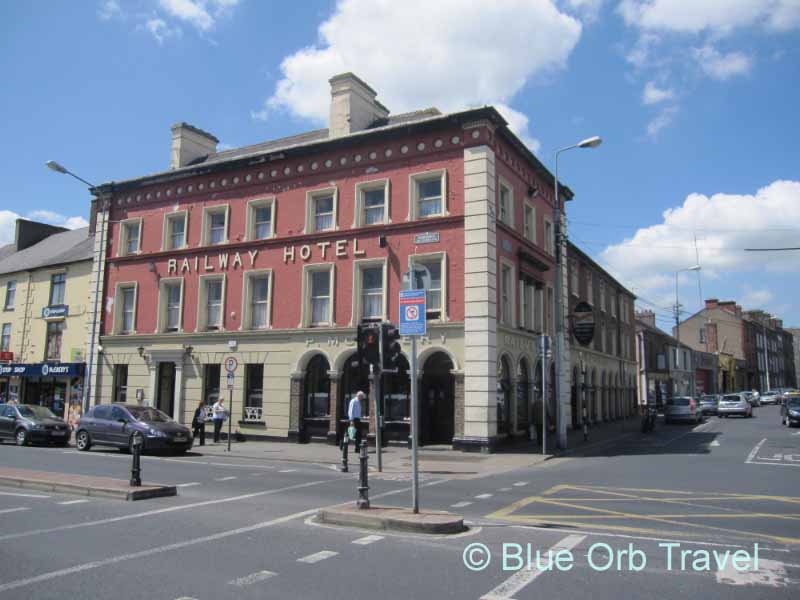
The Railway Hotel, Limerick, Ireland

Limerick, Ireland and the Cliffs of Moher Read More »
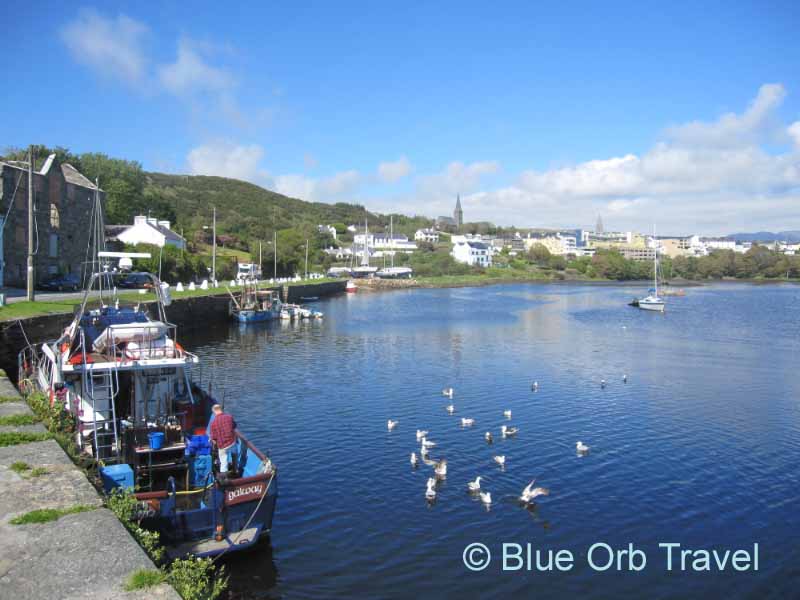
The Seaside Town of Clifden in the Cannemara Region of Ireland

Galway, Ireland

Galway, Another Gem of the Emerald Isle

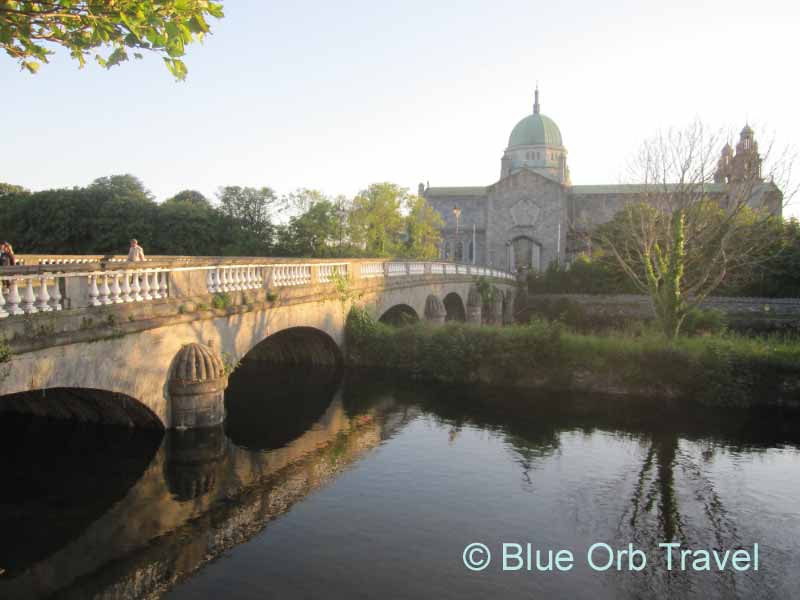
Straddling the River Corrib where it enters Galway Bay, the city of Galway was a pleasant, unexpected surprise on my trek down the west coast of Ireland.  A $23 bus ticket from Sligo landed me at the new Coach Station in Galway following a two hour ride through the countryside.  After getting checked in to my hotel I set out on a circular walking tour of the city that began on the other side of the river.  There I visited the Galway Cathedral and the famous National University of Ireland at Galway which dates back to 1849.  From that point you can take ‘The Canal Walk’ going south beside the Eglington Canal where you’ll see its interesting locks and get a glimpse of life in Galway along the way.  In just a few minutes you’ll end up at the old fishing village of Claddagh.  Lovers throughout the world are familiar with the popular Claddagh ring featuring two clasped hands holding a crowned heart which originated there.

Galway Cathedral on the River Corrib

Galway City Center

Completing the circle with just a short walk across the river, this time by way of the Wolf Tone Bridge, will lead you back to the City Center.  There are several points of historical interest in the City Center, including the medieval St. Nicholas’ Church dating back to 1320 where Christopher Columbus worshiped when he visited Galway in 1477.  The medieval walls are a tangible reminder that the city of Galway is 800 years old.  Lynch’s Castle is an excellent example of an intact medieval town house in the heart of the city and visitors will also be interested in having a look at the home of Nora Barnacle, wife of the author James Joyce.

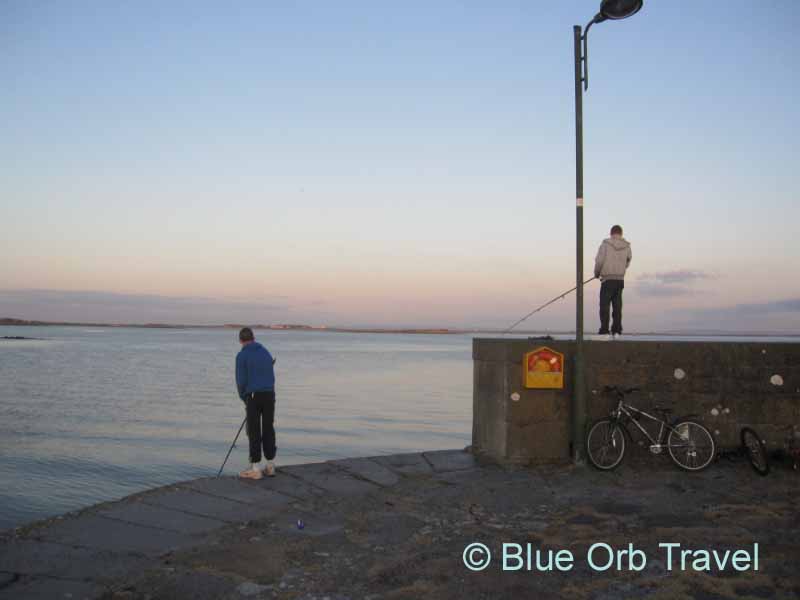
A Couple of Irish Buckos Fishing in Galway Bay

The Latin Quarter

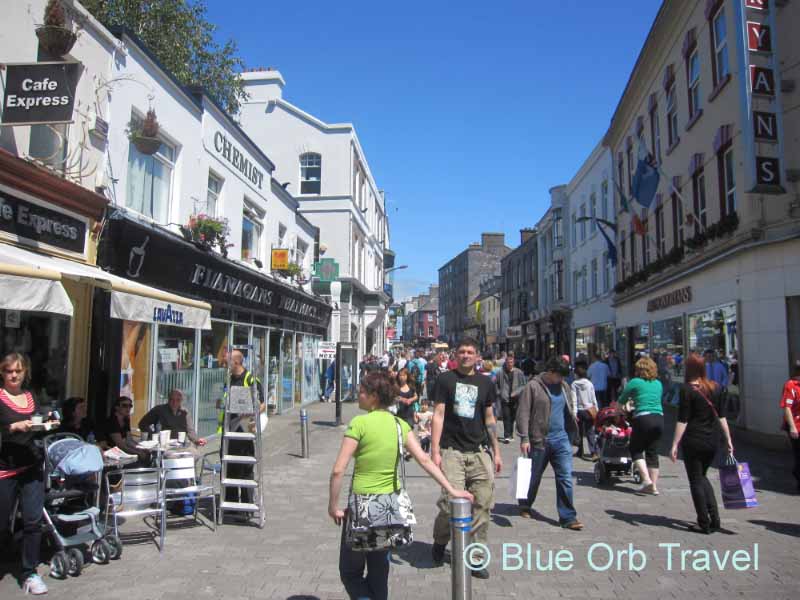
Who knew Galway had a vibrant Latin Quarter!  At night Quay Street in the city center transforms into a Disneyland for party animals.  Lined with colorfully lighted sidewalk cafes, restaurants and pubs, this pedestrian thoroughfare will appeal to visitors of all ages.  As you stroll along this crowded byway you’ll be serenaded by street musicians playing everything from traditional Irish music to Latin salsa.  In fact one group from Scotland that plays there is called Celtic Salsa!  After enjoying this sensory overload you can take a more relaxing jaunt down around the area where the river meets the bay.  Here you will see the Spanish Arch built in 1584 and if you take the nearby Long Walk to the harbor area you’ll pass groups of Galway locals sitting out on the lawns enjoying the beautiful evening.

The Latin Quarter, Galway, Ireland

Gateway to Clifden and Connemara

Between my early afternoon walking tour of Galway and my evening in the Latin Quarter, I took a four hour side trip to the stunning seaside village of Clifden in the heart of the region known as Connemara.  The bus ride itself was worth the $21 roundtrip ticket, but nothing could have prepared me for the breathtaking beauty of Clifden.  The town center is full of interesting souvenir shops, tea shops, pubs and quaint buildings, but it is even more captivating when viewed from a distance.  If time and energy permit you should take the walk along the Owenglen River out to where it enters Clifden Bay on the Atlantic Ocean.  It was fun watching the fishermen and townspeople along the way and you’ll get a special treat when looking back at the town of Clifden from this vantage point.

The Seaside Town of Clifden in the Cannemara Region of Ireland

Garvey’s Inn

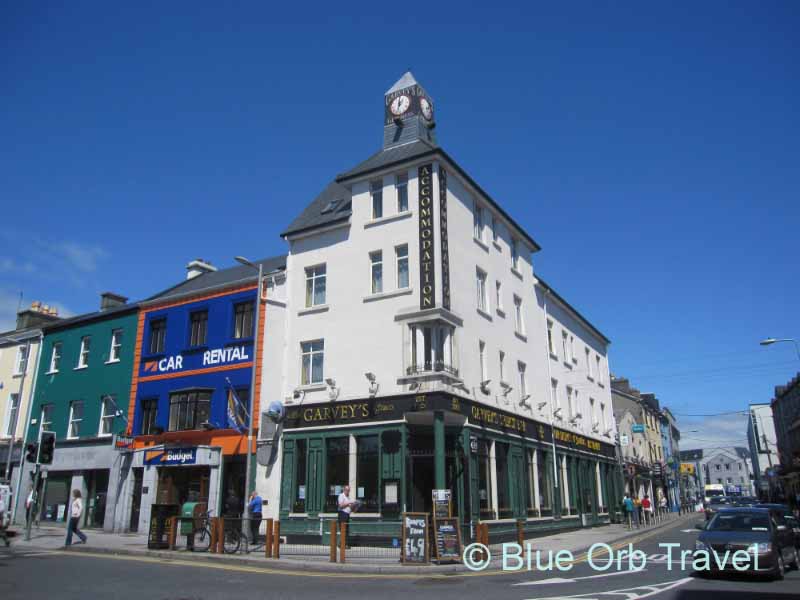
Literally a two minute walk from both the bus and train stations, Garvey’s Inn is located on Eyre Square, also known as John F. Kennedy Memorial Park.  Just a few steps through this beautiful, green park crowded with city folk out enjoying the sun and you’re on your way to the city center with all its attractions, including the Latin Quarter.  I was able to get a great room at Garvey’s Inn for about $80.00 which included a private bath and a wonderful breakfast.  In addition to the great location, Garvey’s Inn features newly refurbished rooms, all en suite and all equipped with television, coffee and tea tray, and other amenities.  A great pub and restaurant dating back to the 1800s are conveniently located on the first floor.  I found Garvey’s Inn to be comfortable, clean and safe and the staff members were friendly and helpful.  No question about it…Galway is another town that you will definitely want to include on your itinerary when visiting Ireland!

Garvey's Inn on Eyre Square, Galway, Ireland
Garvey’s Inn on Eyre Square, Galway, Ireland

Galway, Ireland Read More »
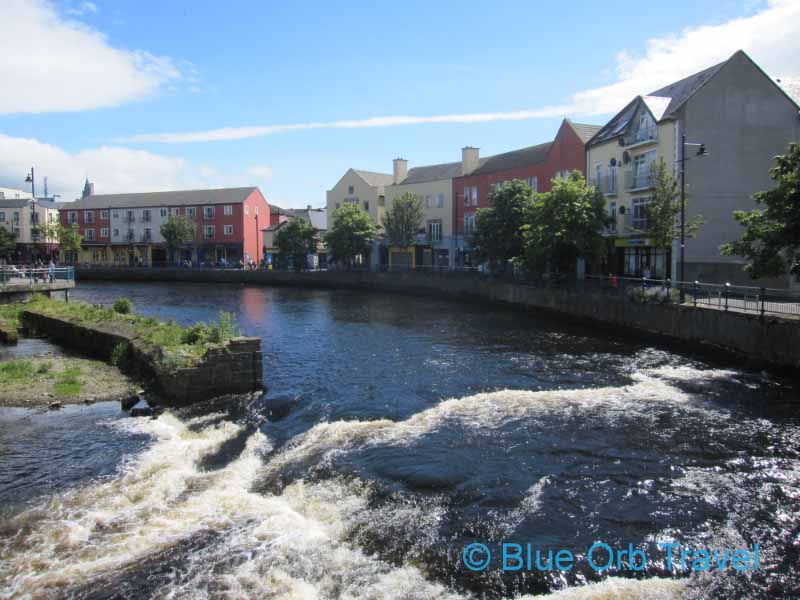
The Garavogue River, Sligo, Ireland

Sligo, Ireland

Sligo, Ireland…Home of William Butler Yeats

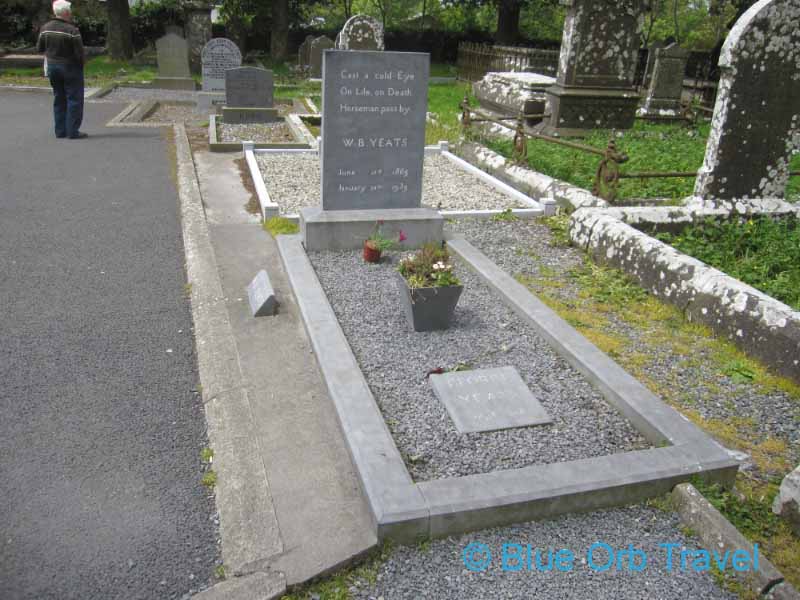
          It would be difficult not to notice how proud the inhabitants of Sligo are that the famous Irish poet William Butler Yeats called this town his home and that it is now his final resting place.  Born in Dublin in 1865, Yeats spent much of his childhood in Sligo and in 1923 was the first Irishman to be awarded the Nobel Prize in Literature primarily for ‘his inspired poetry’.  Although he died and was buried in France in 1939, his body was returned to Sligo in 1948, fulfilling the prophesy from his 1938 poem, ‘Under Ben Bulben’, referring to the nearby mountain.

Under bare Ben Bulben’s head

In Drumcliff churchyard Yeats is laid.

An ancestor was rector there

Long years ago, a church stands near,

By the road an ancient cross.

Grave of Poet William Butler Yeats

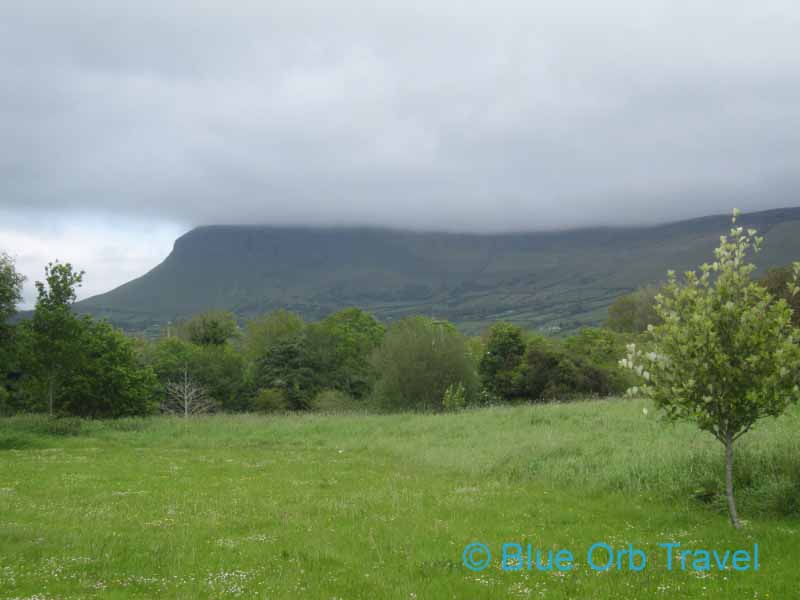
          Visitors to Sligo can visit Yeats’ simple grave in the churchyard of St. Columba’s Church in Drumcliffe just outside of Sligo.  Also nearby are the Celtic High Cross (the ancient cross from the poem above) dating back to the 9th century and the Round Tower of a monastery built on the site dating back to 575.  From this location there is a spectacular view of the huge rock formation known as Ben Bulben which towers 1700 feet into the sky, dominating the skyline of all of County Sligo.

Ben Bulben Wearing a Cloud Cap

The Town of Sligo

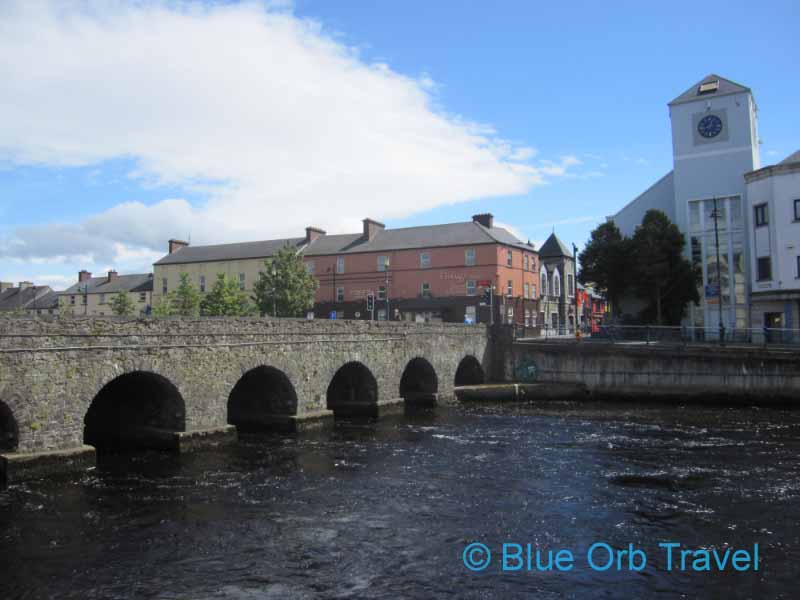
          A river runs through it and it is a fast flowing one with lots of salmon!  As the Garavogue River winds its way through the town of Sligo it is traversed by several picturesque bridges and dotted with fishermen trying their luck along the way.  The word Sligo is thought to mean ‘shelly place’ in reference to the amount of shellfish that abound in the region.

The Garavogue River, Sligo, Ireland

          Sligo Town, as it is affectionately known, is a combination of quaint, old shop lined streets mixed in with newer structures like the ultramodern Glasshouse Hotel and more mundane facilities like the Tesco Supermarket and shopping arcade.  Incidentally, I loved the Tesco Supermarkets all across Great Britain and visited them regularly throughout my trip to stock up on snacks and picnic items!

Bridge on the Garavogue River, Sligo, Ireland

          A visit to the Sligo Tourist Office will get you started on a self guided walking tour of the town that will lead you to a number of well marked sites like the Yeats Memorial Building, the City Hall and Courthouse, Sligo Abbey founded in 1253 and several beautiful cathedrals and churches.  The Tourist Center is co-located with a Genealogy and Heritage Centre where you can trace your Irish roots.

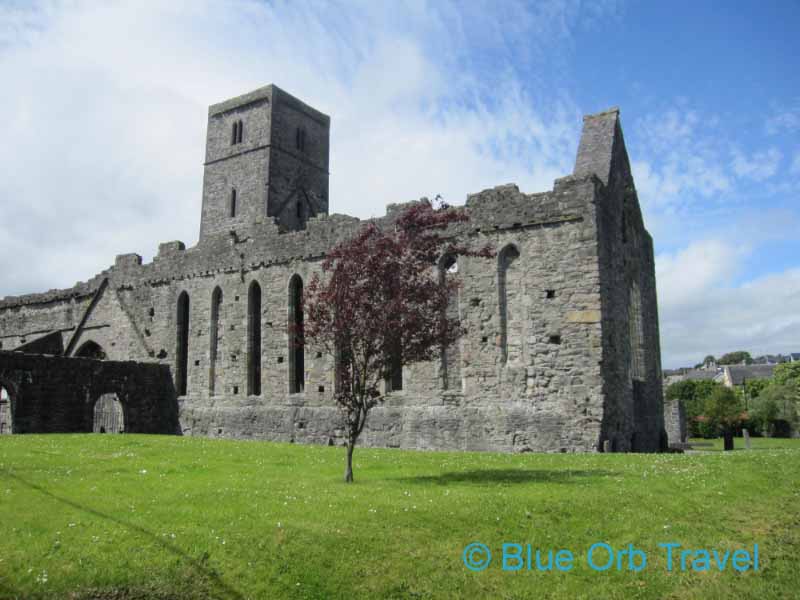
Sligo Abbey, Ireland

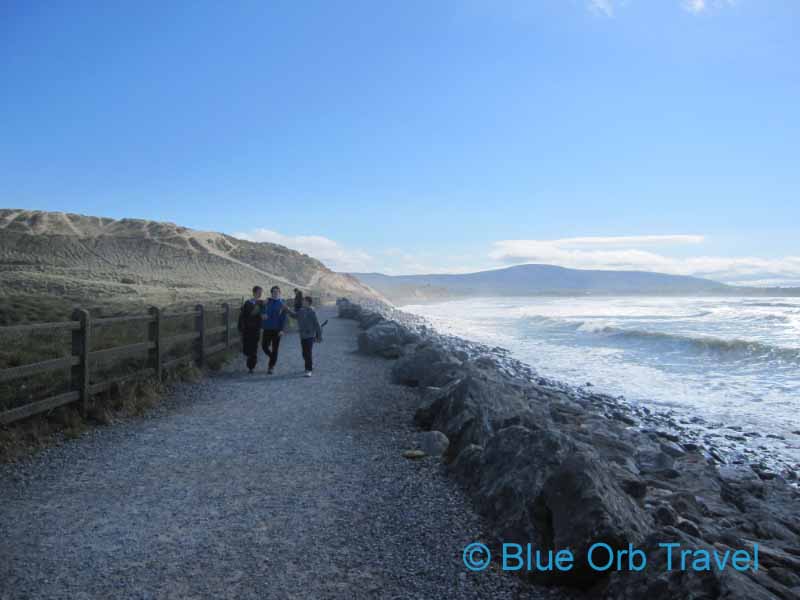
The Beach at Strandhill

          I found a wonderful Bed and Breakfast called McGettigan’s An Cruiscin Lan right in the heart of Sligo which I will feature in my next article.  The proprietor, Liam McGettigan, recommended a side trip to the beautiful nearby coastal resort area known as Strandhill Beach, so in the late afternoon I bought a $7 roundtrip bus ticket and hopped on board for the short ride outside of Sligo.  Located on the Atlantic Ocean, the breakers were awesome and large waves apparently attract a lot of surfers when conditions are right, although it is not considered safe to swim there.  I followed the beautiful walking paths along the beach in and around the sand dunes and enjoyed mingling with the locals who were out for a stroll on a beautiful day.

Strandhill Beach, Ireland

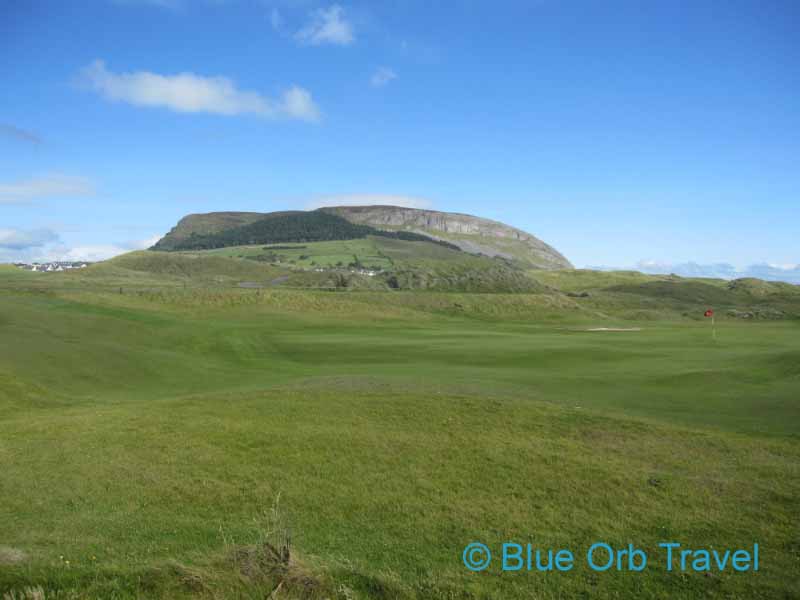
          In the vicinity of Strandhill Beach there is a trailer park, golf course and airport as well as pubs, restaurants and overnight accommodations.  Looking back inland visitors get an impressive view of the 1,000 foot high limestone hill known as Knocknarea Mountain.  I must admit that I had not heard of Sligo before my trip to Ireland, but I am so glad I stopped there.  I would definitely recommend a visit to this beautiful, friendly town to anyone planning a trip to Ireland.

Knocknarea Mountain, Ireland

A Sad Historical Note

          It was in the waters off the coast of County Sligo that Lord Louis Mountbatten, cousin of Queen Elizabeth II, was assassinated in 1979 when his boat was blown up by an IRA bomb.  Three others were also killed in the attack.  Mountbatten was visiting his nearby family castle at Mullaghmore at the time.  He was 79 at the time of his death.  Mountbatten was the last Viceroy of India and the first Governor-General of the Independent Union of India, the precursor to the current Republic of India which emerged in 1950. 

Come Fairies, take me out of this dull world, for I would ride with you upon

the wind and dance upon the mountains like a flame.

‘The Land of Heart’s Desire’

William Butler Yeats, 1894

Sligo, Ireland Read More »
The Peace Bridge, Londonderry, Northern Ireland

Londonderry, Northern Ireland

Londonderry Air

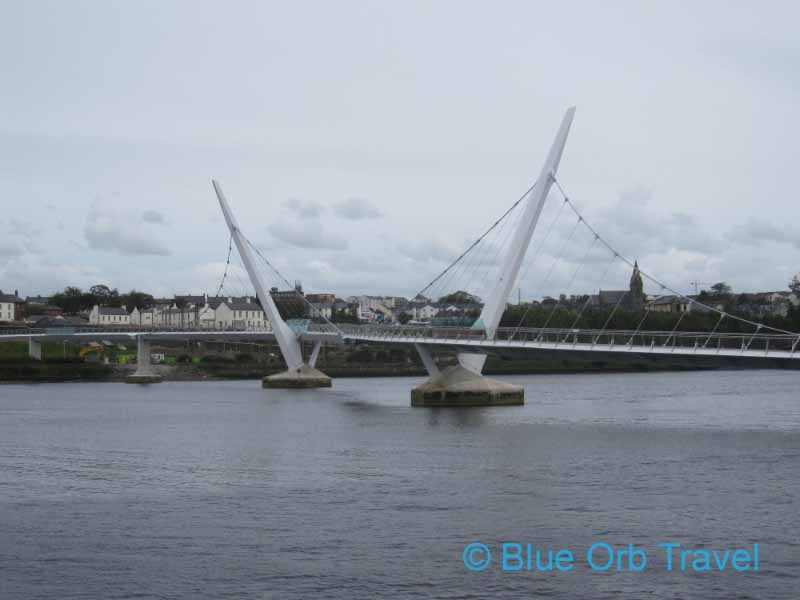
As lilting as its namesake tune which accompanies the lyrics to ‘Danny Boy’, Londonderry is the second largest city in Northern Ireland and, like so many of the destinations we’ve visited on this trip, it is situated on a major river.  The River Foyle is a fast flowing tidal river that empties into the nearby Lough Foyle1 on the Atlantic Ocean.  The old walled city lies on the hilly west bank of the River Foyle known as Cityside, but the train station, where the track comes to a dead end, is on the more rural east side of the river known as Waterside.  While Londonderry is the legal name of the city, it is more commonly referred to as Derry2, a name which the Catholic nationalists prefer.  The river is easily traversed on foot between Waterside and Cityside using the double deck, pedestrian friendly Craigavon Bridge which also affords some interesting views of the surrounding area and a straight shot at the Peace Bridge, a modern new cycle and foot bridge farther north.

The Peace Bridge, Londonderry, Northern Ireland

The Waterside 

          There is only one remaining train station in Londonderry and it is located on the Waterside.  Opened in 1852 and notable for its impressive clock tower, the station provides easy access to all of Londonderry.  Unfortunately, the track ends here and the only service at this station is the line to and from Belfast, which takes two hours and costs $17.  Fortunately, there is a modern bus station on the Cityside that provides excellent service to points south.  Just up the hill and around the corner from the train station on the Waterside I found a wonderful place to stay call the Iona Bed and Breakfast, which I will feature in my next article.

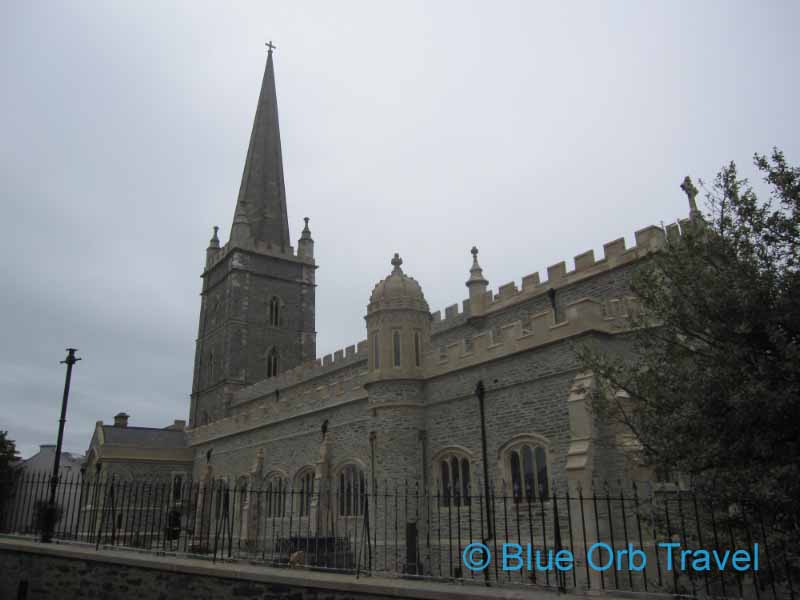
St. Columb's Cathedral, Londonderry, Northern Ireland
St. Columb’s Cathedral, Londonderry, Northern Ireland

The largely Protestant Waterside area has a number of quaint shops, small businesses and attractive residences.  Walking uphill to the north you pass the Ebrington Barracks where British troops were stationed until 2006 and which is now being redeveloped into a shopping and residential area.  A few steps farther along you will come to St. Columb’s Park located on an angle promontory overlooking the river and across the water to the Cityside.  A large, beautifully renovated Georgian house located within the park and now used for seminars and meetings is definitely worth a peak.

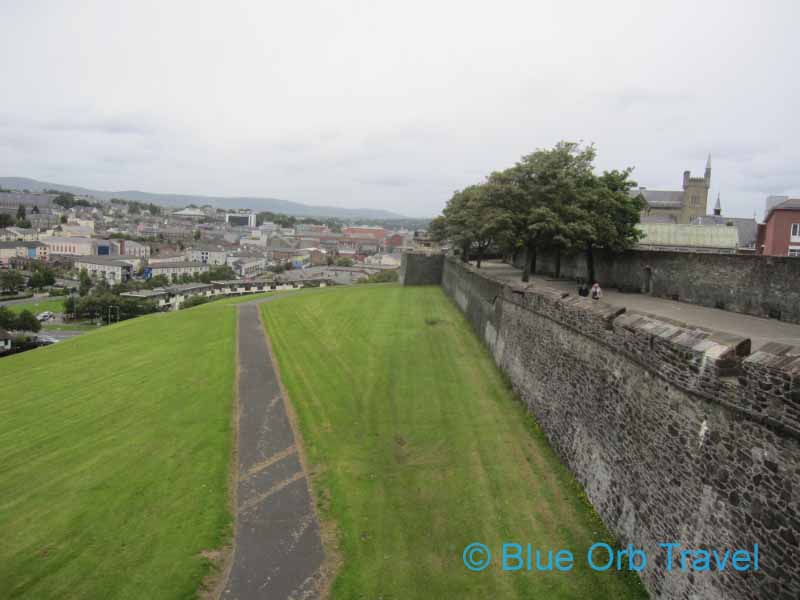
The City Walls, Londonderry, Northern Ireland

The Walled City 

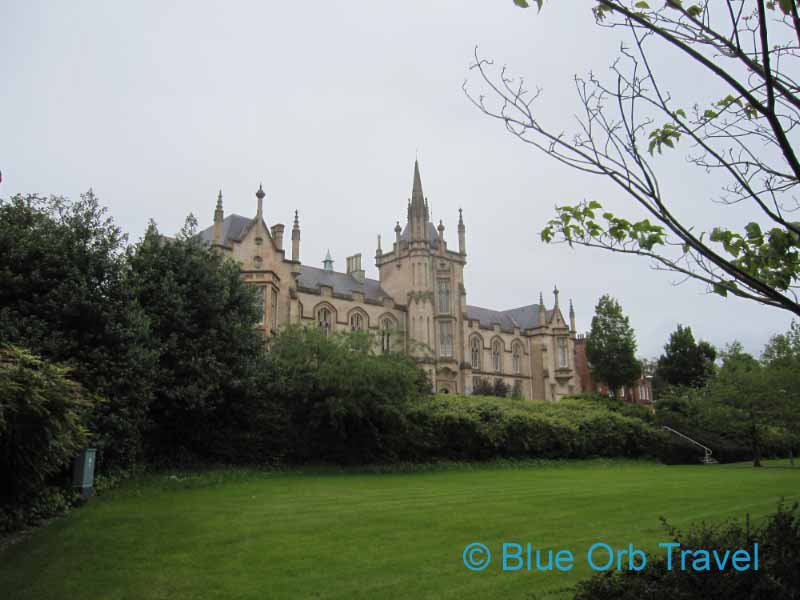
          Across the River Foyle on the Cityside are the city walls built between 1613 and 1618 as defenses for the settlers from Scotland and England.  They give Derry the distinction of being the only completely walled city in Ireland and visitors can walk along sections of the wall for some great views of the city and surrounding area.  Derry is one of the oldest inhabited places in Ireland and has many landmarks to show for it.  A walking tour of Derry will take you to the Guildhall, the Heritage Tower and several beautiful cathedrals, including St. Eugene’s Cathedral and St. Columb’s Cathedral, which is thought to have been the inspiration for John Newton’s famous hymn, Amazing Grace.  Right in the midst of these older buildings is an area with a modern new shopping center.  I took a short walk outside of town to visit the Magee campus of the University of Ulster and see its interesting mixture of traditional architecture and modern new facilities.

The University of Ulster, Londonderry, Northern Ireland

Stigmata of ‘The Troubles’ 

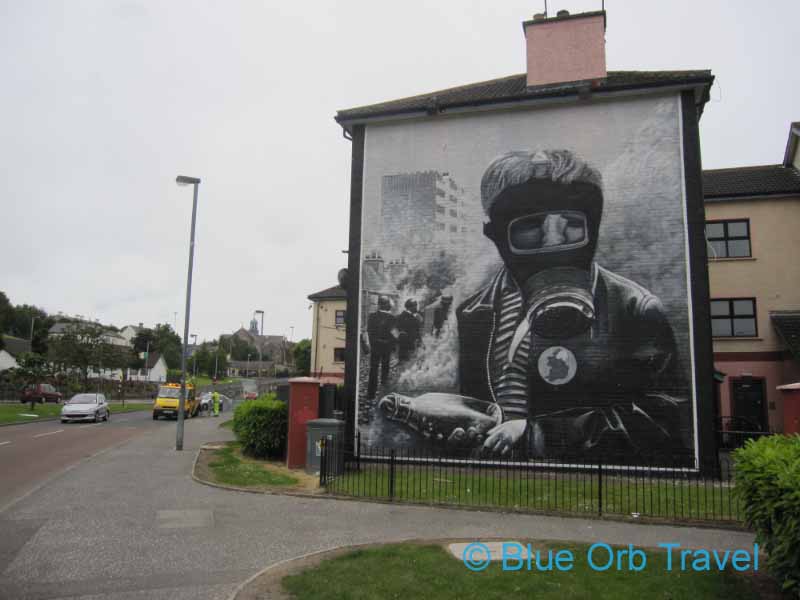
          In recent years Londonderry has been center stage for the strife between Catholic nationalists and Protestant unionists, also known as ‘The Troubles’.  As a result of this now largely resolved conflict, most of the Protestants moved to the Waterside, leaving Catholics in the majority on the Cityside.  It would be impossible for visitors to miss the many reminders of this difficult time in Irish history when touring Derry.  Looking west from the city walls across a large grassy knoll is a broad valley known as The Bogside and this is where many of the events of ‘The Troubles’ took place and where they are now memorialized.

Bogside Mural in Catholic Derry, Northern Ireland

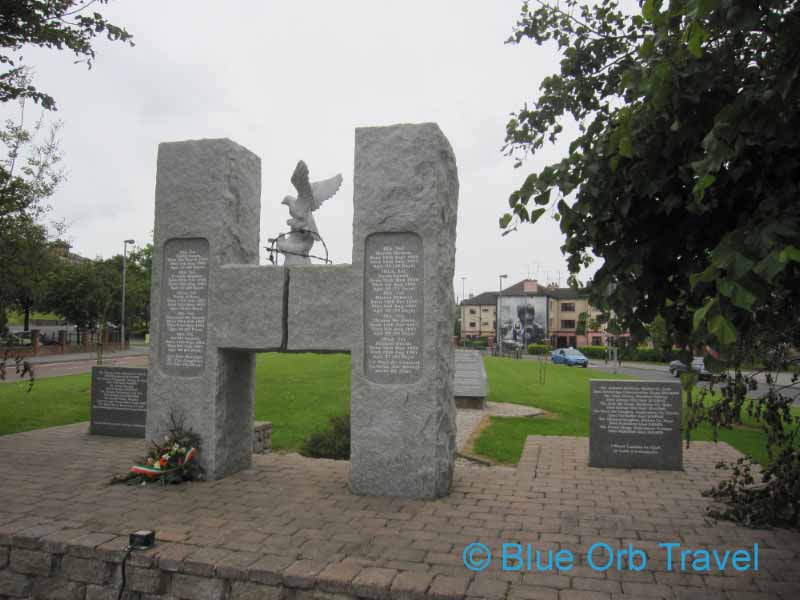
The main events are commemorated on a square known as Free Derry Corner.  Here you will find several monuments, including the H Block Memorial commemorating the hunger strikes of 1981, as well as several nearby Catholic wall murals.  It is here and in the surrounding streets that the riots known as the Battle of the Bogside took place in August 1969.  Considered to be one of the first incidents of ‘The Troubles’, it started when nationalists protested a loyalist parade and ended with the deployment of British Troops.  Also nearby is the site of Bloody Sunday, an incident in which British troops fired on civil rights protesters, killing 14 of them in January 1972.  In spite of these visible reminders, I found no remaining evidence of conflict during my visit and would not hesitate to encourage travelers to experience this beautiful and historic city and mingle with its friendly inhabitants.

The H Block Hunger Strike Memorial, Derry, Northern Ireland

1 Lough is related to the word Loch and both are pronounced as lock, meaning lake or bay.  In this case it refers to an estuary, bay or sea inlet.

2 The name derry comes from the Irish word doire meaning ‘oak grove’.

Londonderry, Northern Ireland Read More »
Queen's University, Belfast, Northern Ireland

Belfast, Northern Ireland

Belfast, Northern Ireland…Why You Should Go

          No trip to Ireland would be complete without a visit to Northern Ireland.  This region is not only rich in history and culture, but is home to several beautiful cities, including Belfast and Londonderry.  If that isn’t enough, the green countryside, friendly people and interesting sights should delight even the most seasoned traveler.  Despite its troubled past, I found Northern Ireland to be both safe and welcoming during my recent visit.

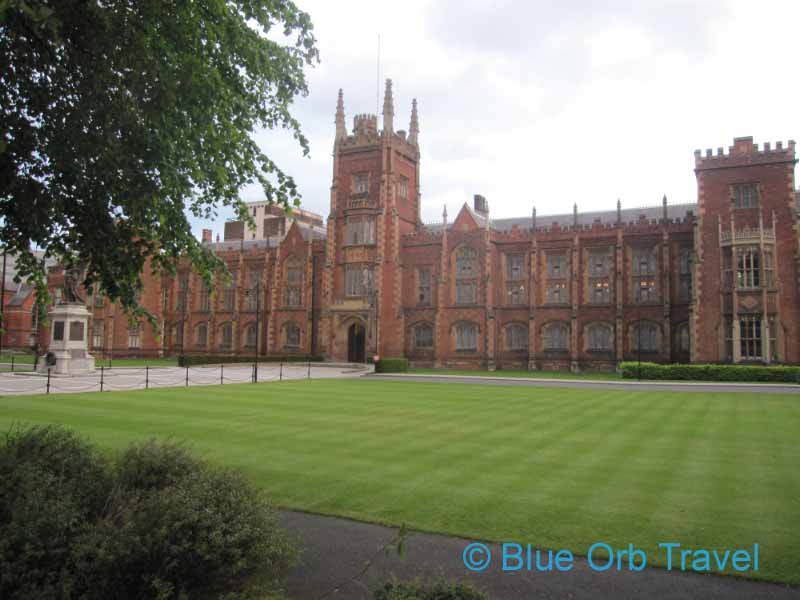
Queen's University, Belfast, Northern Ireland
Queen’s University, Belfast, Northern Ireland

Orientation

          Belfast is the capital of Northern Ireland and the largest city in that country.  It has the second largest population on the island of Ireland, with Dublin in the Republic of Ireland to the south having the largest.  Located on the northeastern coast of Ireland where the River Lagan flows into the Irish Sea, Belfast gets its name from Beal Feirste, meaning ‘mouth of the shoal’.  The Belfast area is home to the famous Irish linen industry and the Titanic was built there in a nearby shipyard from 1908 to 1909.

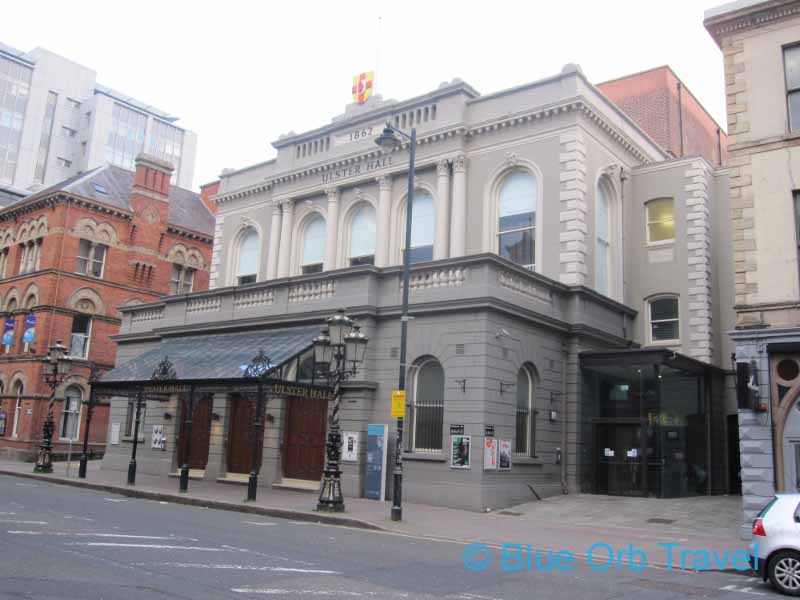
Ulster Hall, Belfast, Northern Ireland

What to See 

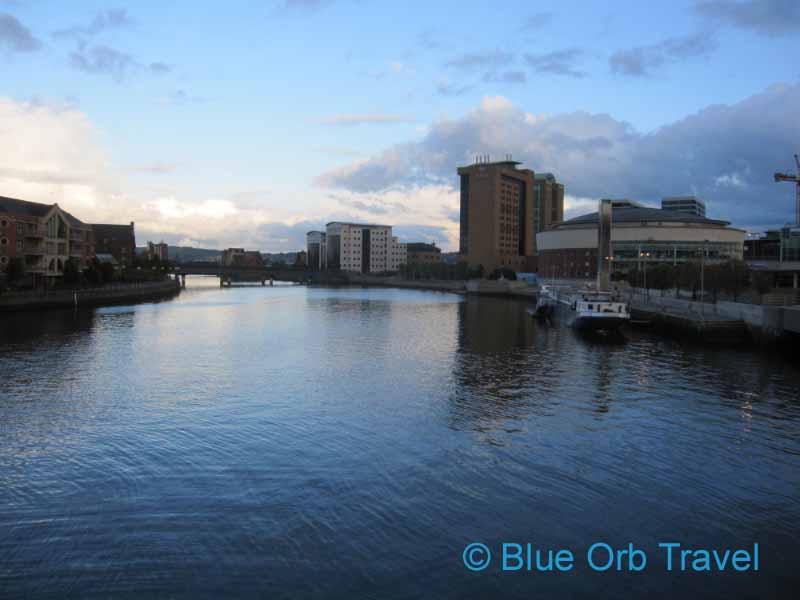
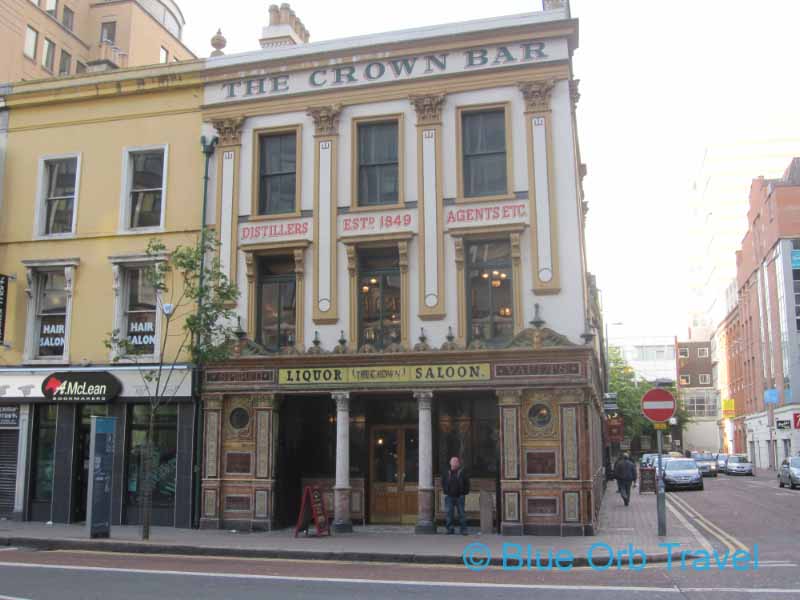
          While Belfast is a big city, it is fairly level, making it easy to walk to many of the major sights.  As you stroll along the River Lagan one of the first things you will see is the beautiful Waterfront Hall, a concert and exhibition center built in 1997.  Heading farther into town you’ll come to Ulster Hall, a concert venue built in 1859, which has hosted everything from political rallies to readings by Charles Dickens.  Belfast, of course, is well known for its pub scene and has an eclectic mix of old and new bars.  Whether you imbibe or not, visitors will not want to miss the Crown Bar or Liquor Saloon on Great Victoria Street.  Dating back to 1826, it is one of the most famous pubs in Northern Ireland.

Waterfront Hall, Belfast, Northern Ireland

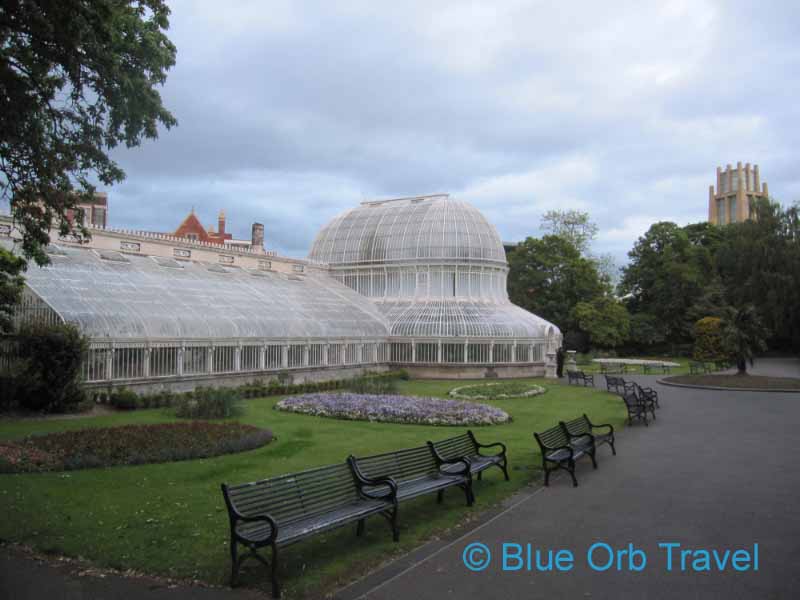
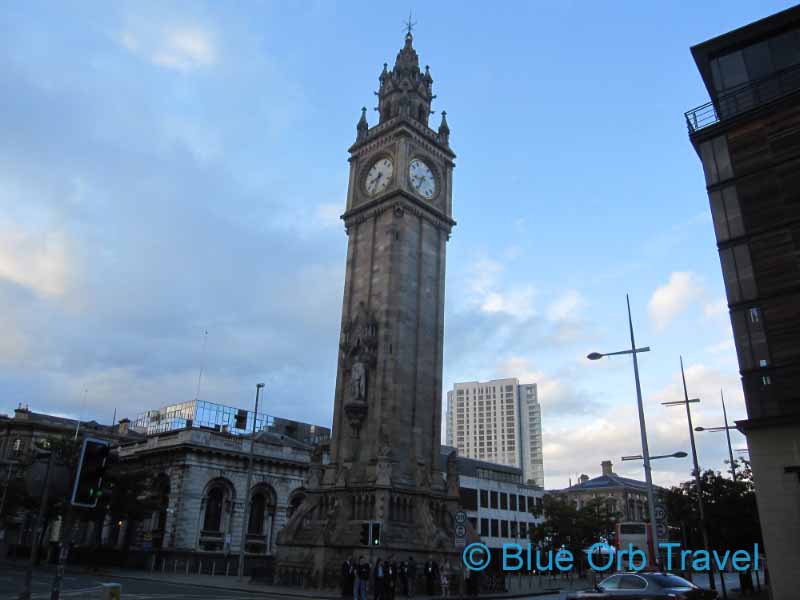
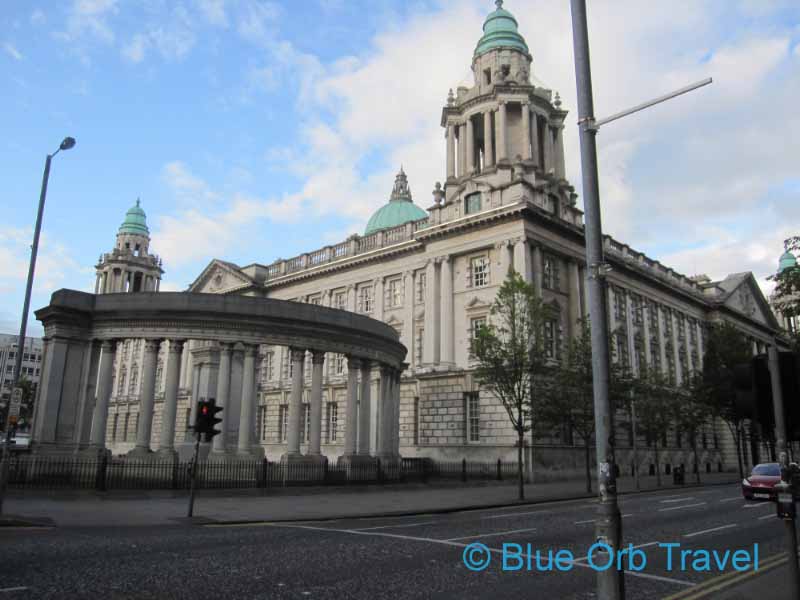
          To get a good sampling of some interesting architecture, the City Hall, the Grand Opera House, the Albert Memorial Clock and numerous churches and cathedrals are just a short walk from the city center.  For those with good walking shoes, head south for a look at the stunning grounds and buildings of Queen’s University Belfast, opened in 1849 and one of the largest universities in the United Kingdom.  Just south of the university is the Belfast Botanic Gardens with its famous Palm House conservatory.  Built in the 1830s, it is one of the earliest examples of a curvilinear cast iron glass house in the entire world.

Palm House Conservatory, Belfast Botanic Gardens

History 

          Only a fool would try to describe the long, colorful history of Northern Ireland in a few sentences, so here goes.  Beginning in the late 1800s most of the population of Ireland favored some form of autonomy from the United Kingdom.  A vocal minority, mostly in the north, opposed this and wanted continued ‘union’ with the UK.  In 1921 the partition of Ireland marked the separation of those in the south who wanted independence from those in the north who favored remaining part of the UK.  In 1922 the Irish Free State in the south was formed as a self-governing dominion within the British Commonwealth.  In 1949 the Irish Free State in the south withdrew from the British Commonwealth and became the independent Republic of Ireland.

Albert Memorial Clock, Belfast, Northern Ireland

          The majority of people in the Republic of Ireland are Catholic, while the majority of people in Northern Ireland and the rest of the UK are Protestant.  The Catholics, therefore, are a majority in the Republic of Ireland, but a minority in Northern Ireland.  Catholics are generally associated with the terms nationalist or Republican, because they favor the Republic and Ireland.  The Protestant majority in Northern Ireland is associated with the terms unionist, favoring continued union with the UK, or Orange, a tribute to Dutch born Protestant William of Orange and his Orangemen who defeated the army of Catholic James II at the Battle of the Boyne on the east coast of Ireland in 1690.  A period of recent conflict in Northern Ireland between these two factions, the Catholic minority who want Northern Ireland to join the Republic of Ireland and the Protestant majority who want to remain with the UK was known as ‘The Troubles’.  This violent period had both political and military aspects and lasted from the late 1960s until the Belfast ‘Good Friday’ Agreement in 1998.

Belfast City Hall, Northern Ireland

          While these matters have dominated much of Ireland’s recent history, there are many more facets to this emerald. It is believed that the first people arrived in Ireland around 4000 BC and tombs have been found dating back to 3000 BC.  The Vikings, Normans and Tudors have all left their footprints on the green hills of Ireland, but it was the Scottish Protestant settlers and the establishment of the Plantation of Ulster in the early 1600s that laid the groundwork for the 20th century conflicts.  Well there you have it…a very brief history of Ireland!

The Crown Bar, Belfast, Northern Ireland

Where I Stayed 

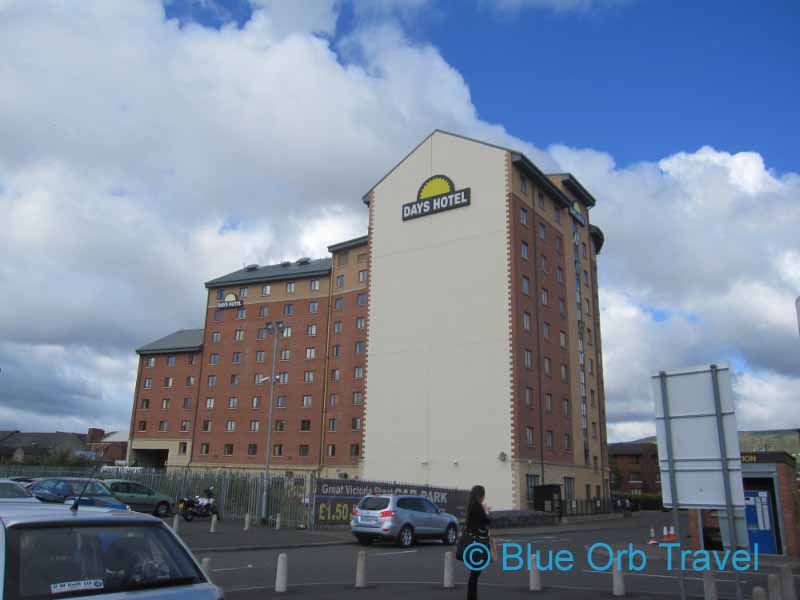
          After arriving at 7 PM on a Monday evening in late May it was not easy to find a reasonably priced room in Belfast.  Time was of the essence, since there was still a lot to see before the sun went down.  Fortunately, being located so far north, it was daylight until 10 PM.  I found a room at the Days Hotel on Hope Street, just off of Great Victoria Street near the Crown Bar.  The central location was ideal and the room and private bath were quite comfortable.  The room cost the equivalent of $97 and a full smorgasbord style breakfast was an additional $12.50.

The Days Hotel, Belfast, Northern Ireland

Belfast, Northern Ireland Read More »
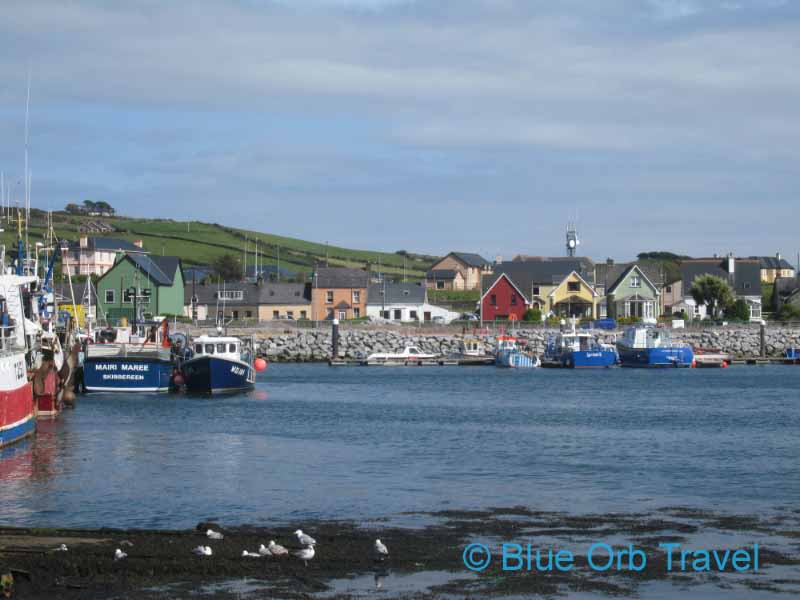
Dingle Town on the Dingle Peninsula of Ireland

Intro to Ireland

A Whirlwind Tour of the Emerald Isle

          In the next series of articles to be published on Blue Orb Travel we will explore the Emerald Isle, traveling from Belfast and Londonderry in the north down to Sligo, Galway, Limerick, Tralee, Killarney, Cork and Dublin in the south.  We’ll see the picturesque seaside towns of Clifden and Dingle Town, walk along the spectacular Cliffs of Moher, take a bus tour of the Ring of Kerry, and kiss the Blarney Stone.  There will be plenty of photos, lots of helpful information about what to see and some great suggestions on where to stay.  Come on along…you won’t want to miss it.

Near the Cliffs of Moher, Ireland

Getting There and Getting Around

          Air:  There are a number of ways to get to Ireland, all fairly straightforward if not downright easy.  Dublin, the capital of the Republic of Ireland, is the main gateway city and many visitors fly directly into Dublin Airport and then travel west and north by land.  Others fly into the Belfast International Airport in Northern Ireland and travel south by land.

          Sea:  Irish Ferries operate on a number of routes between Great Britain and Ireland.  Some of the most popular connections are from Fishguard, Wales to Rosslare, Ireland and from Holyhead, Wales to Dublin.  In a previous post on Irish Ferries I describe how I took the ferry from Stranraer, Scotland to Belfast, Northern Ireland and found it to be an easy and pleasant way to get to the Emerald Isle.

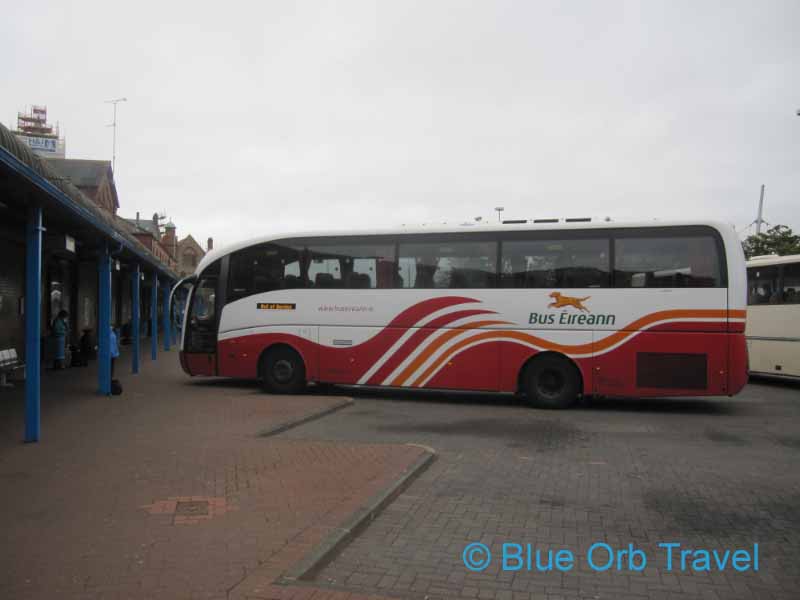
          Land:  Once in Ireland, most visitors get around by either rental car or bus and to a lesser extent by train.  I found Ireland’s national bus service, Bus Eireann, to be the best way to get from town to town.  The buses were clean, safe, comfortable, reasonably priced and on time.  And all the drivers were friendly and helpful!

Bus Eireann, Ireland's National Bus Service
Bus Eireann, Ireland’s National Bus Service

Geography and Terminology

          Understanding the difference between the terms England, Great Britain, the United Kingdom or Ireland can be confusing even for the inhabitants of these various geographic areas, so here’s a quick run down.  Great Britain refers to the three countries that comprise the main island of the British Isles, which are England, Scotland and Wales.  The United Kingdom consists of these three countries plus the fourth one across the Irish Sea, which is Northern Ireland, and these four countries together are also known as the United Kingdom of Great Britain (England, Scotland and Wales) and Northern Ireland.

Dingle Town on the Dingle Peninsula of Ireland

          Generally the term ‘Ireland’ refers to the entire island which includes Northern Ireland (part of the UK) and the Republic of Ireland, an independent country in the south.  Ireland was originally divided into four provinces, one of which was Ulster in the north.  Northern Ireland today is composed of six of the nine counties of the original Irish province of Ulster.  The term ‘Ulster’ is still often used to refer to Northern Ireland, particularly by ‘Unionists’ who favor the continued union with the United Kingdom.

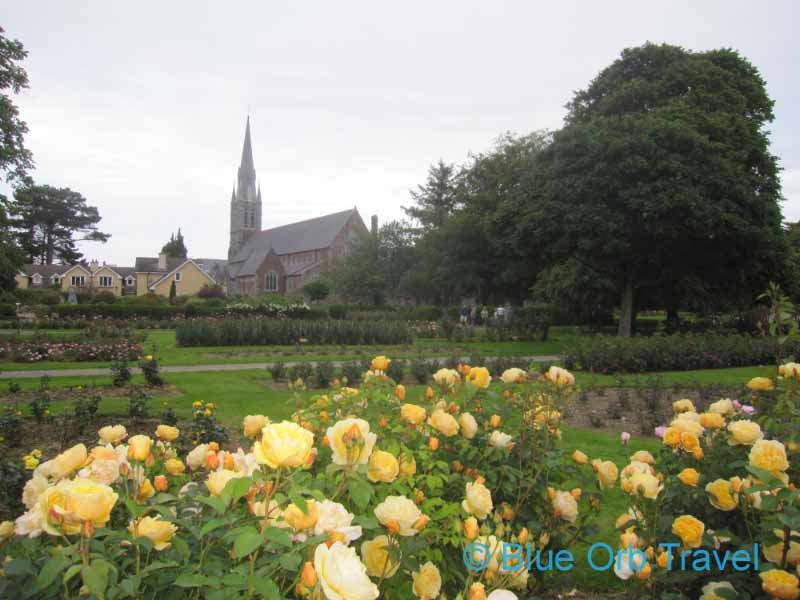
A Rose of Tralee, Ireland

Fasten Your Seatbelts

          Now that you know how to get to Ireland and have a basic understanding of the geopolitical terminology, I think we’re ready to go!  In the first article in our series on Ireland we’ll visit Belfast, the capital of Northern Ireland.  In addition to seeing the sights and scenes of this beautiful city we’ll do a quick review of the complicated recent history of Ireland.  An understanding of this aspect of the two countries that share one island is essential for visitors who want the full Ireland experience.  All aboard!

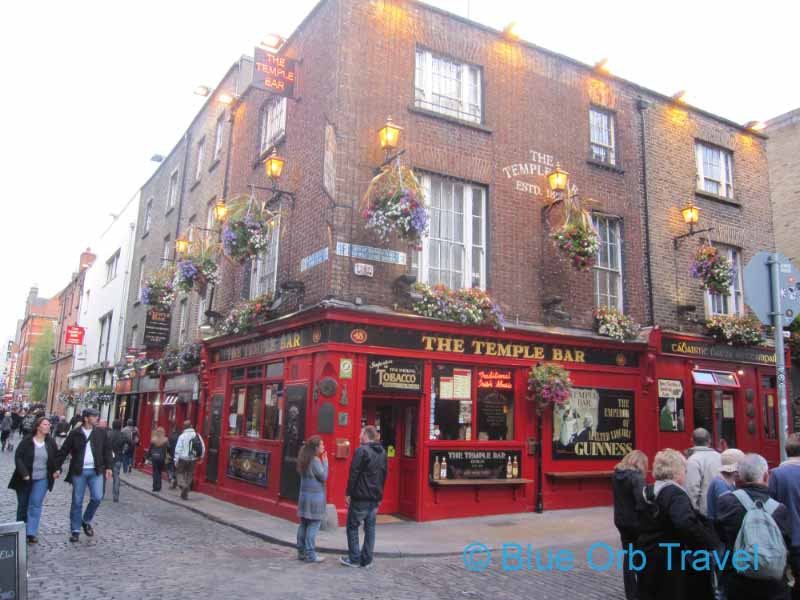
The Temple Bar Area of Dublin, Ireland


Intro to Ireland Read More »